7 September 2026
GLP-1 Medications Work Best When Your Nutrition, Muscle Health and Mindset Are Supported Too
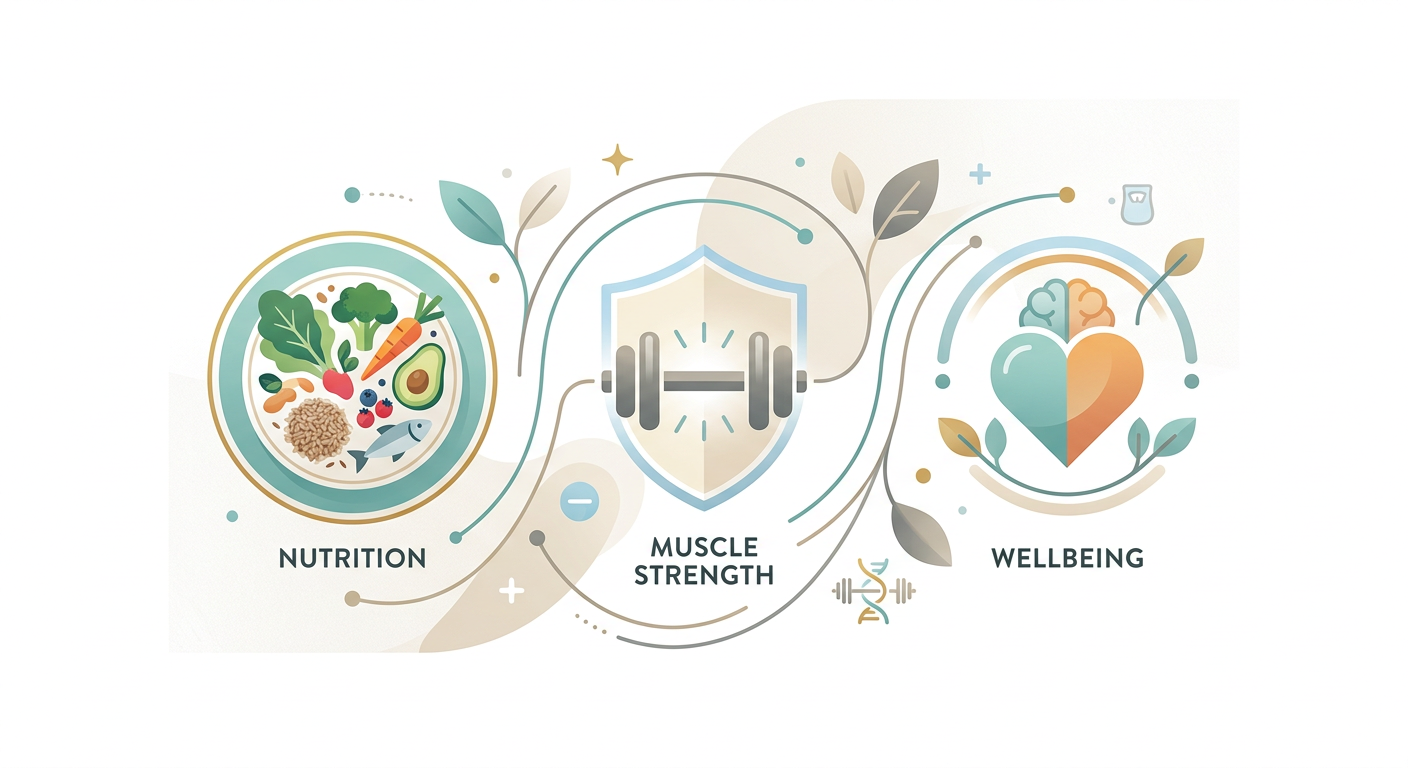
A new consensus statement published in The Lancet Diabetes and Endocrinology has confirmed something our team at LapSurgery Australia has seen in practice for years. When patients are losing weight quickly, whether through medication, surgery or a balloon program, what happens around the treatment matters just as much as the treatment itself. The statement, developed by three major European organisations in obesity care, focuses on GLP-1 receptor agonists, a group of injectable weight loss medications that includes semaglutide and tirzepatide. These medications can produce very significant weight loss, and that is exactly why the support around them needs to be taken seriously. I wanted to share what this guidance covers and how it connects to what we offer here.
Your Nutritional Needs Change Significantly When You Are Losing Weight Quickly
One of the known effects of GLP-1 medications is a marked reduction in appetite. For many people that feels like a relief, but it also means you may be eating far less than before, and if the quality of what you eat does not stay high, your body may not be getting what it needs. The consensus statement sets out specific targets. It recommends a minimum of 60 grams of protein per day, with a preferred target of 1.0 to 1.5 grams per kilogram of adjusted body weight daily. It also recommends at least 2.0 to 2.5 litres of fluid per day and 25 grams or more of dietary fibre each day. Micronutrients, the vitamins and minerals your body cannot make on its own, also need to be monitored, particularly if your daily calorie intake falls below 1200 calories or your overall diet quality is poor.
These are not small details. Getting this right takes some guidance, especially when your appetite signals are changing and side effects like nausea or reflux, also known as GORD, can make eating feel harder. A dietitian is an important part of this picture, and our team includes dietitian support as part of how we care for patients going through significant weight loss of any kind.
Losing Fat Is the Goal but Losing Muscle Along the Way Is a Real Risk Worth Knowing About
The statement highlights that during rapid weight loss on these medications, a meaningful portion of what is lost can come from lean mass, meaning muscle rather than fat. Across the research reviewed, somewhere between 24 and 30 percent of total weight lost was lean mass. That is not a small amount, and losing muscle has real consequences for your strength, your metabolism and your long term function and independence.
Two things are consistently recommended to protect lean mass. The first is adequate protein intake, which is why the targets above matter so much. The second is progressive resistance exercise, which means gradually increasing the challenge of strength based movement over time. This is not about going to the gym every day. It is about building a habit of loading your muscles in a structured way, with guidance on how to progress safely.
What I find particularly relevant here is that we have body composition assessment available in our rooms. This means we can measure not just your weight but what your weight is made up of, so we can track whether you are preserving muscle as you lose fat. We also have indirect calorimetry, a test that measures how your metabolism is actually functioning, not just an estimate based on your size. These tools let us give you a much clearer picture of what is happening inside your body, and adjust your plan accordingly.
Psychological Support Is a Recognised Part of Effective Weight Loss Treatment, Not an Optional Extra
The consensus statement gives meaningful attention to the psychological side of GLP-1 therapy, and I think this is an area that does not always get the attention it deserves. When your relationship with food changes, your appetite shifts and your body changes shape, it can affect how you feel, how you cope and how you relate to eating in everyday life. Some people find this liberating. Others find it disorienting or difficult.
The statement recommends screening for psychological challenges as a standard part of care, not something only offered if a problem becomes obvious. This aligns closely with how we approach things here. Whether a patient is pursuing surgery, a balloon program or weight loss medication, psychological support is part of what a well-structured program looks like. We work with psychologists who understand the specific experience of going through significant body change, and that specialist understanding makes a difference.
The Same Principles Apply Whether You Are on Medication, Having Surgery or Using the Allurion Balloon
The guidance in this consensus statement was written with GLP-1 medications in mind, but the underlying principles apply across the weight loss treatments we offer, including gastric bypass, gastric sleeve, SADI and revisional surgery, as well as the Allurion balloon program. Rapid or significant weight loss, whatever the method, creates the same demands on nutrition, muscle preservation and psychological wellbeing. That is why our approach has always been multidisciplinary. We also offer general surgical services including hiatal hernia repair, gallbladder removal, reflux surgery, carpal tunnel and thyroid surgery, and for many patients these conditions overlap with or relate to their weight journey.
If you are currently taking a GLP-1 medication and have not yet had structured support around nutrition, body composition and exercise, now is a good time to look at that. If you are considering your options and want to understand what a properly supported program looks like, we are here to talk it through. If you are considering your options, call us on (03) 9760 2777 or request an appointment through our website.