
Oesophageal Reflux Surgery
Summary:
- Anti-reflux surgery is surgery to correct a problem with the muscles at the bottom of the oesophagus (the tube from your mouth to the stomach).
- This surgery can also repair a hiatal hernia.
- Price: up to $500 with adequate Private Health Insurance (self-pay options are available)
Gastro-Oesophageal Reflux Disease (GORD)
‘Gastro oesophageal Reflux Disease’ refers to abnormal amounts of acid produced by the stomach coming up the oesophagus and causing typical symptoms such as heartburn or acid taste in the mouth, which can be aggravated by fatty foods, alcohol, eating large meals, and lying down or bending over after eating.
This occurs because the normal mechanisms that prevent acid reflux have failed – usually due to age, genetics, stretching of the tissues, weight gain and, rarely, trauma.
Over time the acid damages the oesophagus and can lead to narrowing/scarring or potentially even precancerous or cancerous changes.
Anti-acid medication reduces the production of acid, which means the reflux liquid does not cause as much damage. However, if the antiacid medication is not taken, all the symptoms return. In some cases the medication might help but not completely make the symptoms go away. This is because medication does not address the anatomical reasons for reflux. Surgery, on the other hand, aims to correct these factors to get rid of the reflux, allowing patients to get off these tablets.
Anti reflux surgery is best known as the laparoscopic Nissen fundoplication, and is also searched for as reflux surgery, GORD surgery or heartburn surgery. Because the operation usually includes repair of a hiatus hernia, it overlaps with our hiatus hernia repair page, which covers the hernia side in detail. Our Melbourne surgeons perform the full range of fundoplication techniques, and the right operation for you depends on your assessment and testing.
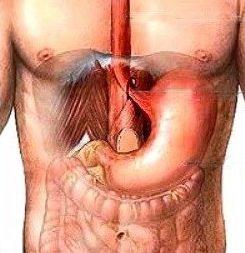
Nissen and Partial Fundoplication: Which Wrap?
In a Nissen fundoplication, the top of the stomach is wrapped fully around the lower oesophagus, creating the strongest barrier against reflux. In a partial fundoplication, such as the Toupet or anterior wrap, the stomach is wrapped only partway around, which can reduce side effects such as gas bloat and difficulty swallowing.
Which wrap suits you depends on your symptoms and on how well your oesophagus pushes food along, which is exactly what oesophageal manometry measures before surgery. Your surgeon will recommend the technique that balances reflux control against side effects for your oesophagus, and keyhole surgery is used in almost all cases, with robotic assistance available where appropriate. You can read about the pre surgery tests on our manometry and pH studies page.
Reflux Surgery Recovery
The operation itself takes around 2 to 3 hours under general anaesthesia, and your hospital stay depends on the size of the repair, which your surgeon will discuss with you beforehand. In the early weeks a softer diet is recommended while swallowing settles, progressing back to normal foods as comfort allows.
Most patients return to light activities within a couple of weeks, with heavy lifting avoided for around six weeks while the repair strengthens. Any difficulty swallowing usually resolves within the first three months, and your surgeon will review your progress through follow up.
Reflux Surgery Questions
Frequently Asked Questions
Common questions about anti reflux surgery
For most patients with adequate private health insurance, out of pocket costs are up to $500, with health fund cover and any excess varying by fund and level of cover. Without insurance, out of pocket costs are higher and depend on the hospital. Full informed financial consent is provided after your consultation. Contact us for a written estimate.
An operation for reflux in which the top of the stomach is wrapped fully around the lower oesophagus, recreating the valve that stops acid flowing back up. It is performed as keyhole surgery under general anaesthesia and usually includes repair of any hiatus hernia at the same time.
A Nissen wraps the stomach fully around the oesophagus for the strongest reflux control, while partial wraps such as the Toupet go only partway around, reducing side effects like gas bloat and swallowing difficulty. Your manometry results and symptoms guide which wrap your surgeon recommends.
That is the aim. Surgery corrects the anatomical causes of reflux that medication cannot, and heartburn and other symptoms should improve after surgery, allowing many patients to come off daily tablets. We are honest that some patients still need medication afterwards, and your surgeon will discuss realistic expectations for your case.
The operation usually takes 2 to 3 hours under general anaesthesia, performed as keyhole surgery in almost all cases. Your hospital stay depends on the size of the repair and will be discussed at your consultation.
The most common are gas bloat, which makes it hard to burp and causes bloating after meals, and some difficulty swallowing. Both improve for most people, with swallowing usually settling within the first three months. Rare risks and the possibility of recurrence are covered openly in the risks section above and at your consultation.
Not privately. With private health insurance your operation can usually be performed within a week or two, or planned at a time of your choosing. Public hospital waiting lists are very long, with no choice of surgeon.
Have more questions? We're here to help.
Contact us for more information
The team at LapSurgery Australia are recognised for their exceptional and major contribution to the Government sponsored Bariatric Safety Registry (BSR). The BSR tracks surgical complications and provides an unbiased safety record for weight loss surgery.
Related Procedures
Hiatus Hernia Repair
Often performed together with anti-reflux surgery to correct the anatomical cause.
Learn moreManometry and pH Studies
Essential pre-operative testing to confirm reflux before surgery.
Learn moreGallbladder Surgery
Gallbladder disease can mimic reflux symptoms and may be treated concurrently.
Learn moreYour Next Steps
Ready to take the next step? Here is how to get started.