
4 November 2026
Could Weight Loss Surgery Help Reverse Serious Liver Scarring?
A study in the Annals of Surgery found that weight loss surgery may help reverse serious liver scarring, adding hope for patients with MASH cirrhosis.

The LapSurgery Australia news page shares short articles for patients on weight loss and general surgery. Many explain what recently published studies and reviews say about costs, procedure choices, long term results, safety, diabetes, eating after surgery and weight loss medicines. The practice's multidisciplinary team provides lifelong follow up after weight loss surgery. The team is based in Dandenong North, with consulting rooms in Berwick, Frankston, Cranbourne and Warragul.
4 November 2026
A study in the Annals of Surgery found that weight loss surgery may help reverse serious liver scarring, adding hope for patients with MASH cirrhosis.

30 October 2026
New research found public and private bariatric surgery patients in Australia had very different care pathways, yet achieved broadly similar weight loss results.

30 October 2026
LapSurgery Australia no longer fits new lap bands. The gastric sleeve and gastric bypass are the current alternatives, with revisional options for existing band patients.

30 October 2026
LapSurgery Australia in Melbourne offers two gastric balloon options. Costs and inclusions are confirmed in a full written quote after your consultation.

30 October 2026
Gastric bypass at LapSurgery Australia is estimated from $7,000 out of pocket with adequate private health insurance, covering surgery, consultations and 12 months of aftercare.

30 October 2026
You may be able to use your superannuation to pay for weight loss surgery through compassionate release of super. Find out how to apply and what to expect.

30 October 2026
Gastric sleeve patients lose 60 to 70 per cent of their excess weight within the first 12 to 18 months, with long-term results shaped by lifestyle and follow-up support.

30 October 2026
Living with an old lap band? Our Melbourne surgeons can help with band care, removal, or conversion to a sleeve gastrectomy or gastric bypass.

30 October 2026
A gastric sleeve in Melbourne is estimated from $6,000 with private health insurance, or from $19,600 as a self-pay package, both including 12 months of aftercare.

30 October 2026
Weight loss surgery is generally considered at a BMI of 35 or above. Options including the Allurion balloon are available at lower BMI levels too.

30 October 2026
A 2026 study found gastric bypass was linked to higher type 2 diabetes remission than gastric sleeve, even when both groups lost a similar amount of weight.

30 October 2026
A 2026 study found that weight change in the year after stopping injectable weight loss medicines varied widely from person to person.

30 October 2026
A 2026 review found newer weight loss medicines cause muscle loss broadly similar to lifestyle changes, with resistance training offering the strongest protection.

30 October 2026
A five year study found strong early diabetes remission rates after weight loss surgery, but results declined by the five year mark for many patients.

30 October 2026
A 2026 study found weight loss surgery may be safe for carefully selected people with heart failure, with significant weight loss and medicine reductions within one year.

30 October 2026
A large study found that previous abdominal surgery does not significantly affect weight loss results, but may raise the risk of certain complications.

30 October 2026
A large 20-year study found bariatric surgery linked to lasting improvements in sleep apnoea, both for those who had it and those who did not.

30 October 2026
A 2026 study found that four pre-surgery measurements can predict gastric sleeve weight loss outcomes with around 86% accuracy in the main testing group.

30 October 2026
A 2026 study found that people with severe obesity had higher pain tolerance and used less pain medication after gastric sleeve surgery.

30 October 2026
A 2026 Australian study found sleeve gastrectomy was linked to lower gestational diabetes rates but a higher chance of babies born smaller than expected.

30 October 2026
An Australian study found that ongoing care after weight loss surgery is often fragmented, with many patients reporting gaps in follow up and unmet needs.

30 October 2026
A 2026 study found blood pressure dropped within the first week after gastric sleeve surgery, with the reduction roughly doubling by one month.

30 October 2026
A randomised controlled trial found that Compassion Focused Therapy improved mood, emotional eating and shame in people with severe obesity, with gains lasting three months after therapy ended.

30 October 2026
A 2026 study found that a mental health history did not reduce weight loss or metabolic improvements after bariatric surgery over two years.

30 October 2026
A 2026 study found muscle and bone concerns are common in older weight loss surgery candidates, with reduced muscle mass in about 42 in 100 participants.

30 October 2026
A 2026 study found men and postmenopausal women tend to arrive at weight loss surgery carrying more health conditions, even at a lower BMI.

30 October 2026
A 2026 study found gastric sleeve surgery provides more health benefit over a lifetime at a relatively small additional cost for people with obesity and type 2 diabetes.

30 October 2026
A 2026 systematic review found a potential weight loss advantage with SADI-S over gastric bypass, with no clear differences in diabetes, blood pressure or cholesterol outcomes.

30 October 2026
A 2026 study of 520 patients found SADI-S had a 2.5% complication rate and no deaths, including in those having a revisional procedure.

30 October 2026
A 2026 meta-analysis of over 2,000 patients examines ten-year outcomes for SADI-S, BPD and BPD-DS, including resolution of diabetes and sleep apnoea.

30 October 2026
A large 2026 Cochrane review found that weight loss surgery, including gastric bypass, may lead to greater weight loss and improved blood sugar control long term.

30 October 2026
A 2026 study found gastric sleeve surgery was linked to higher early complication rates than one anastomosis gastric bypass in the first 60 days after surgery.

30 October 2026
A 2026 meta-analysis of 1,729 patients found one anastomosis gastric bypass maintains around 32% total weight loss at ten and fifteen years.

30 October 2026
Research finds that older patients and those with higher pre-surgery body weight are most likely to achieve meaningful weight loss ten years after gastric band surgery.

30 October 2026
A 2023 study found that people who needed further weight loss surgery after a gastric band achieved meaningful weight loss through two different conversion procedures.

30 October 2026
A 2024 study found people who converted from a gastric band to a gastric bypass lost more weight over five years than those who converted to a gastric sleeve.

30 October 2026
A 2026 review found that revisional weight loss surgery can lead to further weight reduction and may improve obesity related health conditions, though results vary considerably.

30 October 2026
Research following patients who converted from a gastric sleeve to a bypass found sustained weight loss and low reflux rates at up to 10 years.

30 October 2026
A 2026 study compared two intragastric balloon types in 239 adults, finding both improved weight and metabolic markers, with differences at 12 months.

30 October 2026
A 2026 systematic review found robotic bariatric surgery is feasible and safe for people with a BMI above 50, with complication rates similar to the standard keyhole approach.

30 October 2026
A 2024 review of 21 studies found robotic and laparoscopic gastric sleeve surgery produce similar weight loss results, though the robotic approach costs more and takes longer.

30 October 2026
After weight loss surgery, your diet moves through stages over at least 5 to 6 weeks. Protein, fluids and vitamins are the key priorities throughout recovery.

30 October 2026
A 2026 study found serious complications were rare and short-term outcomes were broadly similar for gastric balloon patients with and without diabetes.

11 September 2026
Your pre surgery diet reduces liver size, builds lasting habits and keeps you safer during bariatric surgery. Learn what the diet involves and why it matters.

9 September 2026
After bariatric surgery your body processes alcohol very differently. Learn how gastric sleeve, gastric bypass and SADI change alcohol absorption, the risk of transfer addiction, and practical steps if you choose to drink after recovery.
7 September 2026
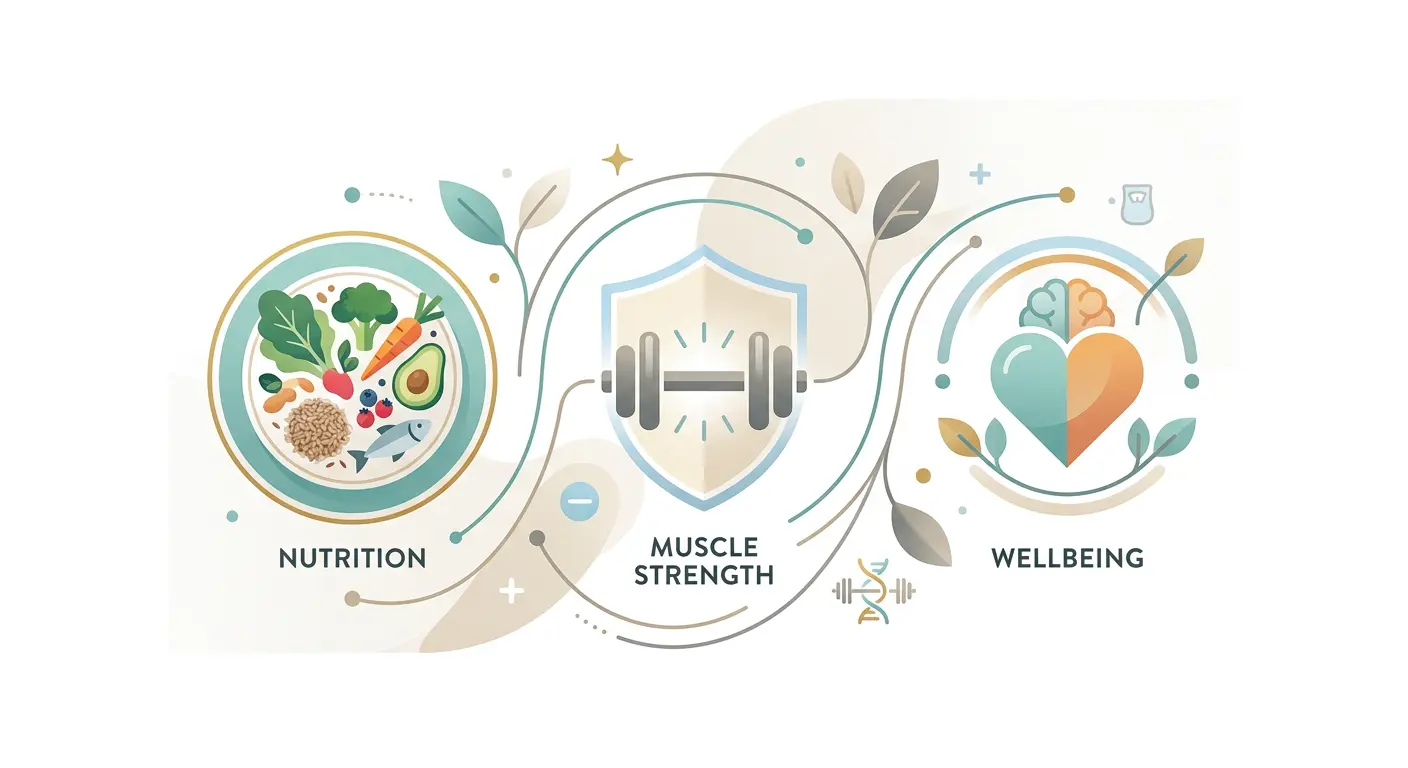
A new Lancet consensus statement confirms that GLP-1 weight loss medications need structured nutrition, muscle preservation and psychological support for the best results. Here is what the guidance covers and how it connects to what we offer.
27 July 2026
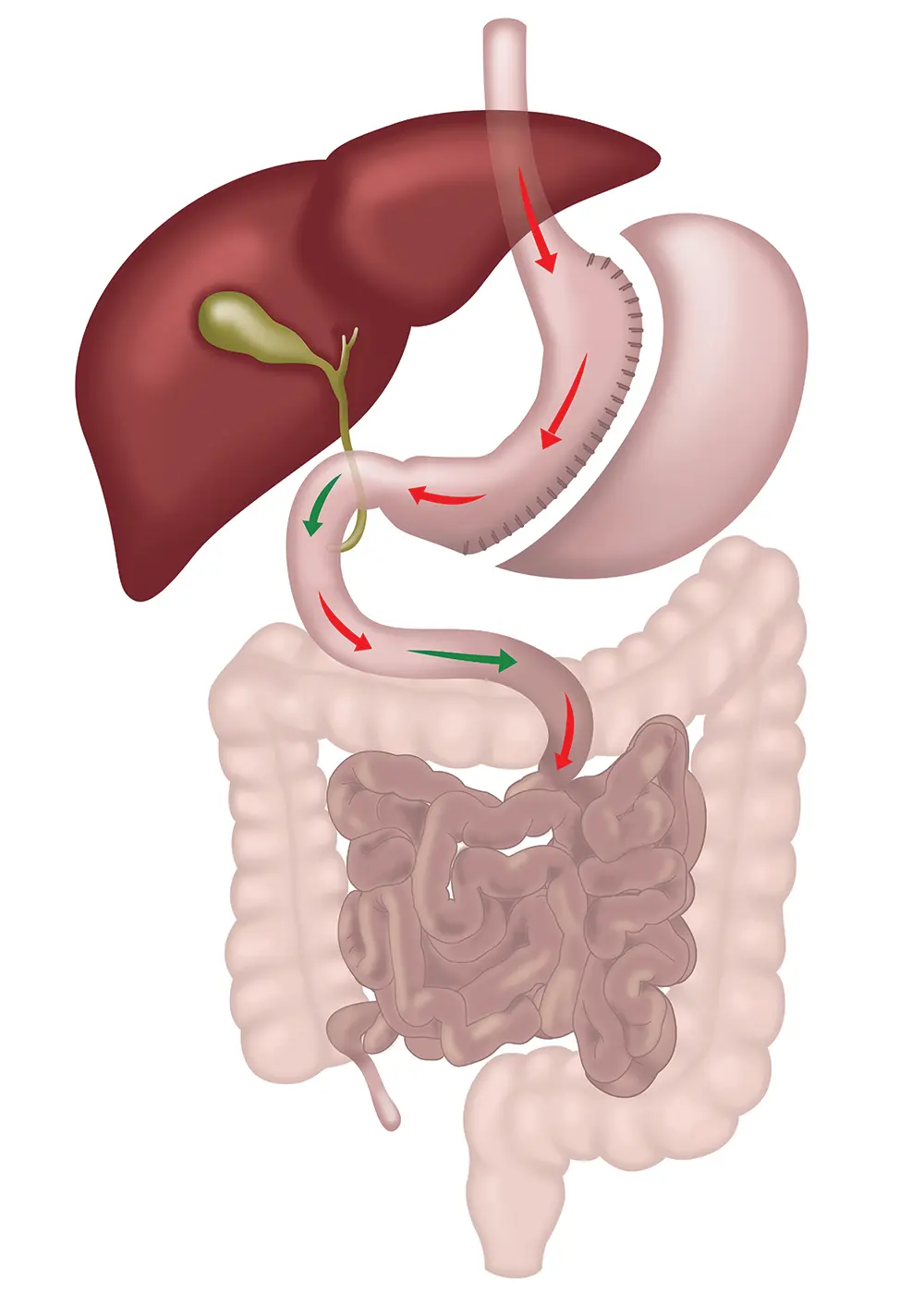
If you are exploring weight loss surgery, you may have come across two names that come up a lot: sleeve gastrectomy and gastric bypass. Both are procedures our team at LapSurgery Australia performs regularly. The question of which one is right for you depends on your individual health.

5 April 2026
Wondering about the risks of weight loss surgery? Learn what to expect, how risks are weighed up, and how our team at Lap Surgery Australia supports you safely.

27 February 2026
Safety is usually the first question people ask when they start looking into weight loss surgery. The good news is that modern bariatric surgery has an excellent and well-documented safety record, supported by the Australian Bariatric Surgery Registry.

7 April 2026
Bariatric surgery is a serious surgical procedure requiring real commitment before the operation, during recovery, and for the rest of your life afterward. Here is what the journey actually involves.

Over the past few years, new medications known as GLP-1 receptor agonists have become big news for weight management. At the same time, bariatric surgery (weight loss surgery, or also known as Metabolic Bariatric Surgery MBS) has been around for decades and is still considered the most effective long-term treatment for obesity on available data. So, which option is the "optimum" solution, for your situation?

The first thing people want to know when they see me before weight loss surgery "What will I be able to eat?". This is very different for everyone but there are some general tips that can help you along the way. Here are the top things you should know to prepare for eating after weight loss surgery (according to a dietitian)
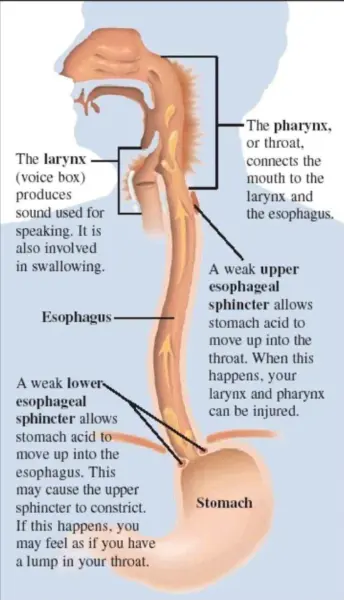
The journey of food from mouth to stomach involves coordinated muscle movements. The Lower Oesophageal Sphincter controls food passage. Acid reflux, if excessive, can lead to GORD, causing various discomforts.

Imagine you've completed all your pre-surgery appointments and successfully scheduled your surgery date (congratulations!). What comes next in the process?
The challenge of overcoming weight issues could stem from your body's weight set point and hunger hormones. This article talks about weight set point and hunger hormones and how Sleeve Gastrectomy (Gastric Sleeve Surgery) or Gastric Bypass Surgery could provide support in achieving weight loss.
Accessing your super to pay for your out-of-pocket medical expenses is a common and relatively easy process. It may be possible to use super for out of pocket costs for weight loss surgery like Sleeve Gastrectomy Surgery (Gastric Sleeve Surgery) or Gastric Bypass Surgery. Here are a few steps:

The first few months after a weight loss surgery can be very different to how you will feel long-term. Here are my top tips for staying on track and managing food in the long term.

Obesity is recognised as a chronic disease by the World Health Organisation and most medical societies around the world. Major causes include our genetic makeup and our environment. There are no simple solutions and different approaches will be necessary for each individual.