
Hiatus Hernia Repair
Summary:
- Hiatal hernia repair is surgery to repair the bulging of stomach tissue through the muscle between the abdomen and chest
- Hiatal hernia repair is performed through keyhole surgery
- Price: up to $500 with adequate Private Health Insurance (uninsured options are available)
Gastro-Oesophageal Reflux Disease (GORD)
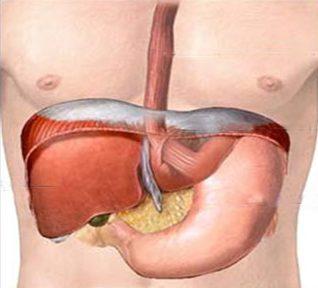
The oesophagus carries food from the mouth to the stomach. It passes through the muscle between the abdomen and chest (diaphragm) just before it meets the stomach, through an opening called the oesophageal hiatus. When the opening in the diaphragm is too large, some of the stomach can slip up into the chest cavity.
This can cause heartburn (gastro-oesophageal reflux: GORD) due to gastric acid backflowing from the stomach into the oesophagus. Hiatal hernia repair is performed by bringing the stomach back down into the abdominal cavity and tightening the diaphragm muscle around the bottom of the oesophagus. The ‘valve’ at the bottom end of the oesophagus is re-created by wrapping the top part of the stomach ‘fundus’ over it. This is called a fundoplication.
This surgery can be performed very safely in a ‘minimally invasive/keyhole’ way. In rare circumstances open surgery may be required, particularly if there has been previous surgery in the area.
Hiatus hernia and hiatal hernia are the same condition, and the repair is often searched for as laparoscopic hiatus hernia repair or keyhole hiatal hernia surgery. Because the operation usually includes a fundoplication, it overlaps with anti reflux surgery, which we cover in detail on our reflux surgery page. Our Melbourne surgeons perform both, and the right operation for you depends on your assessment.
Does Every Hiatus Hernia Need Surgery?
No. Many hiatus hernias cause few or no symptoms and are managed without an operation, often with acid lowering medication and lifestyle measures. Surgery is considered when symptoms are severe, when medication no longer controls the reflux, when complications such as oesophageal inflammation or stricture develop, or when the hernia is large.
Before recommending surgery, your surgeon may arrange tests to confirm the diagnosis and plan the repair, including gastroscopy and oesophageal manometry and pH studies, which measure how the oesophagus is working. You can read about these tests on our manometry and pH studies page, and more about reflux disease itself on our guide to the diagnosis and management of reflux disease (GORD).

The team at LapSurgery Australia are recognised for their exceptional and major contribution to the Government sponsored Bariatric Safety Registry (BSR). The BSR tracks surgical complications and provides an unbiased safety record for weight loss surgery.
Related Procedures
Your Next Steps
Ready to take the next step? Here is how to get started.
Frequently Asked Questions
Common questions about hiatus hernia repair
For most patients with adequate private health insurance, out of pocket costs are up to $500, with health fund cover and any excess varying by fund and level of cover. Without insurance, out of pocket costs are higher and depend on the hospital. Full informed financial consent is provided after your consultation. Contact us for a written estimate.
Yes. Hiatal hernia is simply the American spelling of hiatus hernia. Both describe part of the stomach slipping through the opening in the diaphragm into the chest, commonly causing reflux and heartburn.
No. Many are managed with acid lowering medication and lifestyle measures. Surgery is considered when symptoms are severe, medication stops working, complications develop, or the hernia is large. Your surgeon will assess which applies to you.
A fundoplication recreates the valve at the bottom of the oesophagus by wrapping the top part of the stomach, the fundus, around it. It is usually performed as part of hiatus hernia repair to stop acid backflowing into the oesophagus.
Patients may need to spend 3 to 10 days in hospital after surgery, depending on the size of the repair and how recovery progresses. Your surgeon will give you a realistic expectation for your operation at your consultation.
Yes, recurrence occurs in up to 15 to 20 per cent of patients over time, which we tell you plainly because it is part of making an informed decision. Difficulty swallowing for around six weeks after surgery is also common and usually settles, occasionally needing a gentle stretch of the oesophagus.
Not privately. With private health insurance your operation can usually be performed within a week or two, or planned at a time of your choosing. Public hospital waiting lists for this surgery are very long, with no choice of surgeon.
Have more questions? We're here to help.
Contact us for more informationLet's talk through your options
Leave your details and one of our team will call you back to answer your questions. There's no commitment to book.
Address
Gladstone Road Consulting Suites 327 Gladstone Road Dandenong North, VIC 3175
Phone
(03) 9760 2777Office Hours
Monday – Friday: 9:00 AM – 5:00 PM Saturday – Sunday: Closed